Wood Selection for Asado: From Quebracho to Australian Hardwoods
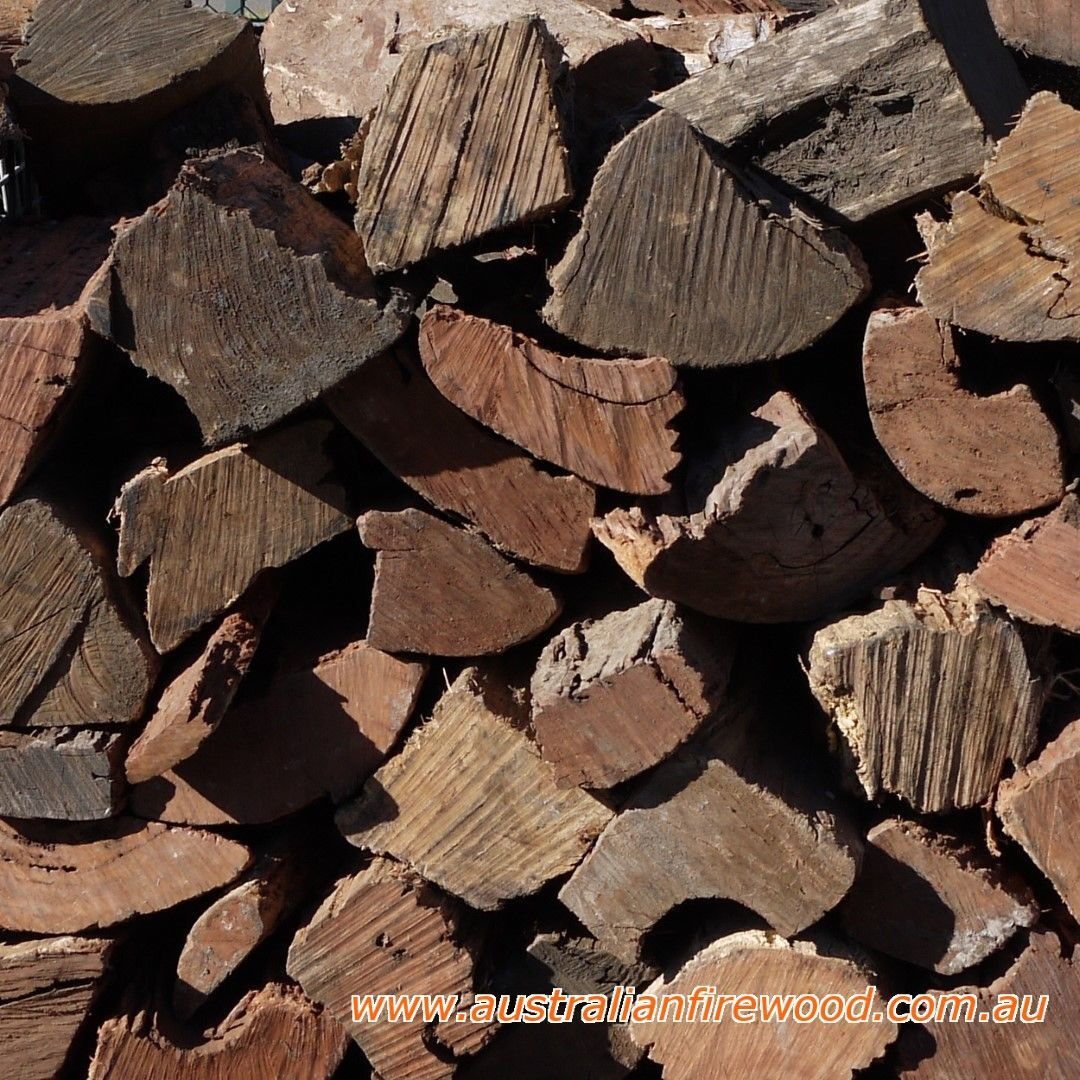
In Argentina, quebracho is the gold standard for asado. The name literally means 'axe-breaker'—it's incredibly dense, burns hot and long, and produces the clean, subtle smoke that defines traditional asado flavor. But quebracho doesn't grow in Australia, so we adapt.
The key characteristics we're looking for: high density, low resin content, long burn time, and clean smoke. Australian hardwoods excel in all these areas, and some actually outperform quebracho in certain aspects.
Ironbark is my first choice. It's one of the densest eucalyptus species, burns extremely hot, and produces minimal ash. The smoke profile is clean and slightly sweet, very similar to quebracho. It's widely available in eastern Australia and reasonably priced. The only downside is it can be difficult to split—keep your axe sharp.
Red gum is another excellent option. Slightly less dense than ironbark but easier to source and handle. It burns well, produces good coals, and the smoke is mild and pleasant. I use red gum for longer cooks where I need sustained, moderate heat rather than intense searing temperatures.
Box eucalyptus species (yellow box, grey box) are underrated for asado. They're less dense than ironbark but still burn hot and clean. The advantage is they ignite more easily, which is helpful when you're building your fire. I often start with box and add ironbark once the fire is established.
Jarrah, if you're in Western Australia, is exceptional. Dense, oily (but not resinous), and produces beautiful coals. The smoke has a slightly more pronounced character than ironbark—not better or worse, just different. Some people love it; others prefer the subtlety of ironbark.
What to avoid: pine and other softwoods are completely unsuitable. They're too resinous, burn too fast, and create acrid smoke. Treated timber is obviously dangerous—never burn anything that's been painted, stained, or pressure-treated.
Fruit woods (apple, cherry, peach) are popular in American barbecue but too delicate for Argentine-style asado. They work better for pork or chicken. For beef, you want the neutral, clean smoke of hardwood.
Wattle (acacia) is controversial. Some species burn well; others are too soft or produce harsh smoke. If you're going to experiment with wattle, start with small amounts and pay attention to how it affects flavor.
Seasoning matters as much as species. Green (freshly cut) wood contains too much moisture and produces white, billowing smoke—that's steam, not the thin blue smoke you want. Properly seasoned wood (12-18 months under cover) burns cleaner and hotter.
How do you know if wood is properly seasoned? Check the ends for cracks, tap two pieces together (seasoned wood sounds hollow), and check the weight (dry wood is noticeably lighter). If you're buying wood, ask how long it's been seasoned. If the seller doesn't know, find another seller.
Storage is crucial. Keep your wood off the ground (use pallets or a rack) and covered but with airflow. Plastic tarps trap moisture; use a proper wood shed or breathable cover. In humid climates, even seasoned wood can reabsorb moisture if stored improperly.
Size matters too. For asado, you want logs that are 10-15cm in diameter and 30-40cm long. Too small and they burn too fast; too large and they're difficult to manage. Split larger logs to this size range.
How much wood do you need? For a typical asado serving 8-10 people, I use about 15-20kg of hardwood. That gives me enough to build a proper fire, maintain heat zones, and add fresh wood as needed without rushing.
One final note: never use charcoal briquettes for traditional asado. They're made with binders and additives that affect flavor. Lump charcoal is acceptable in a pinch, but wood is always superior. The ritual of building and managing a wood fire is part of what makes asado special.
Experiment with different Australian hardwoods until you find what works for your palate and your region. The beauty of asado is that it adapts to local conditions while maintaining its essential character. That's how traditions stay alive—by evolving thoughtfully.
Givago Garcia Tissot
Brazilian-qualified veterinarian, chef, and Australia-based Open-Fire BBQ Specialist. First Gaucho practitioner to deliver open-fire cooking at the Vivid Festival, combining scientific precision with the raw, untamed nature of the flame.
Comments (0)
No comments yet. Be the first to share your thoughts!