The Science of Marbling: Why Fat Equals Flavor
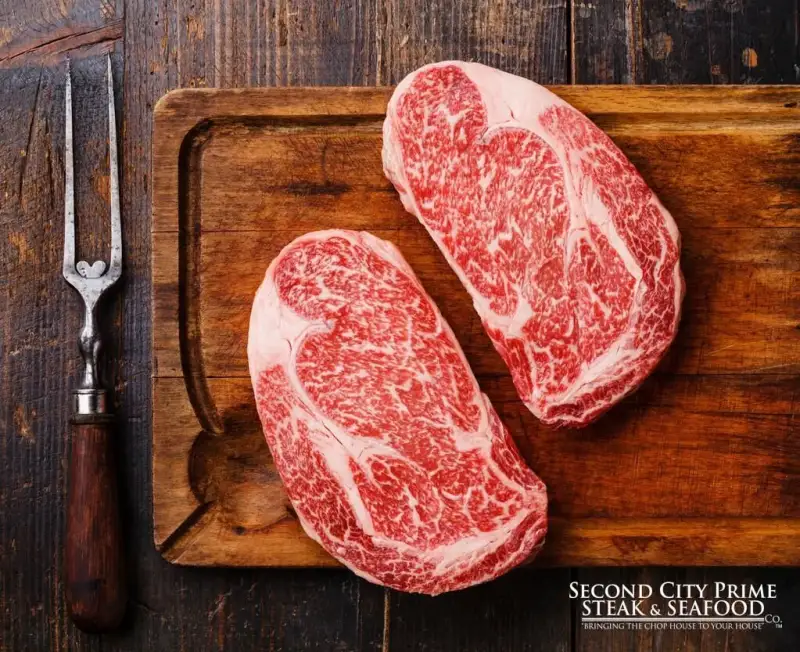
As a veterinarian turned chef, I approach meat selection with both scientific precision and culinary passion. Marbling—those white flecks of intramuscular fat—is misunderstood by most home cooks.
Marbling is adipose tissue distributed within muscle fibers. During cooking, this fat melts at around 130-140°C, basting the meat from within. But it's not just about moisture—fat is a flavor carrier.
Flavor compounds are largely fat-soluble. When you taste a well-marbled steak, you're experiencing aromatic molecules dissolved in melted fat. This is why wagyu and well-marbled grass-fed beef taste so complex.
In Australia, we're blessed with excellent grass-fed beef. Grass-fed marbling has a different fatty acid profile than grain-fed—higher in omega-3s and conjugated linoleic acid (CLA). The flavor is more mineral, more terroir-driven.
For asado, I look for ribeye or short rib with moderate marbling—MS 4-6 on the Australian scale. Too little and the meat dries out over fire. Too much and the fat doesn't render properly, leaving a greasy mouthfeel.
The key is matching marbling to cooking method. High-heat searing needs less marbling. Slow cooking over coals benefits from more intramuscular fat.
When selecting meat, look for even distribution of small fat deposits rather than large pockets. The fat should be cream-colored, not yellow—a sign of proper aging and quality feed.
Givago Garcia Tissot
Brazilian-qualified veterinarian, chef, and Australia-based Open-Fire BBQ Specialist. First Gaucho practitioner to deliver open-fire cooking at the Vivid Festival, combining scientific precision with the raw, untamed nature of the flame.
Comments (0)
No comments yet. Be the first to share your thoughts!