Modern vs Traditional Parrillas: What's Right for You?
The parrilla market has exploded in recent years. What was once a simple choice—brick or steel—now includes dozens of designs, materials, and features. Let's cut through the marketing and focus on what actually matters.
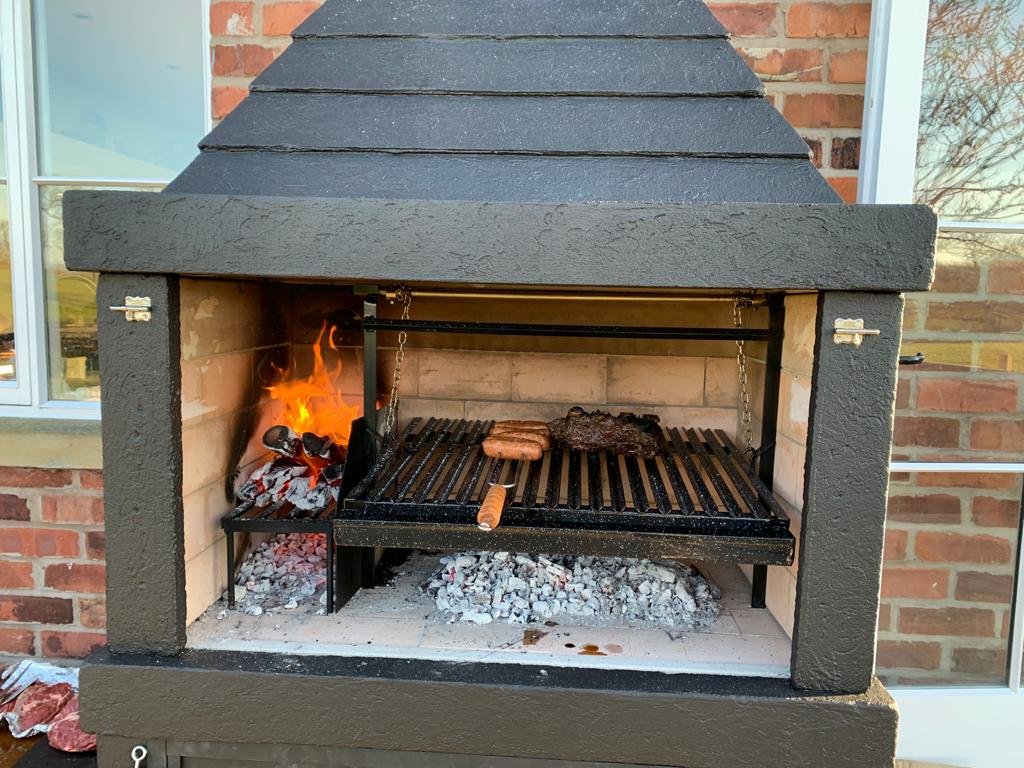
Traditional brick parrillas are permanent installations, usually built on-site. They're heavy, immovable, and designed to last generations. Heat retention is excellent, and the aesthetic is undeniably authentic. But they require space, professional construction, and significant investment ($3,000-$10,000+ depending on size and complexity).
If you have the space and budget, a brick parrilla is hard to beat. The thermal mass creates incredibly even heat, and the structure provides wind protection. Maintenance is minimal—repoint mortar every few years, keep the grates clean, and it will outlive you.
Steel parrillas are more common in Australia. They range from simple welded frames to sophisticated engineered systems. The advantage is portability (relatively speaking—most still weigh 50-100kg) and lower cost ($500-$3,000 for quality units).
Traditional steel designs are minimalist: a firebox, a grate, and an adjustable mechanism to raise or lower the cooking surface. No frills, no complications. These work beautifully if you understand fire management. The Vulcan parrilla I designed falls into this category—maximum functionality, zero unnecessary features.
Modern steel parrillas add features: wheels for mobility, side tables, storage racks, built-in thermometers, and adjustable air vents. Some of these are genuinely useful; others are marketing gimmicks. Wheels make sense if you need to move the grill frequently. Side tables are convenient. But do you really need a built-in thermometer when you should be learning to read fire by sight and touch?
Stainless steel vs carbon steel is a real consideration. Stainless resists rust and looks sleek, but it's expensive and can develop hot spots due to lower thermal conductivity. Carbon steel is traditional, heats more evenly, and costs less, but requires maintenance to prevent rust. I prefer carbon steel—the maintenance is minimal if you're diligent, and the performance is superior.
Grate design matters more than most people realize. Traditional Argentine parrillas use V-shaped grates that channel fat away from the fire, preventing flare-ups. Flat grates are simpler but allow fat to drip directly onto coals, creating smoke and flames. For beef, V-grates are superior. For vegetables or fish, flat grates work fine.
Adjustability is crucial. You need to control the distance between fire and food. Some parrillas raise and lower the grate; others adjust the firebox height. Both work, but grate adjustment is more common and generally more practical.
Size is a common mistake. People buy parrillas that are too large for their typical use. A massive grill looks impressive but wastes fuel and space if you're usually cooking for 4-6 people. Match the size to your actual needs, not your aspirational ones. You can always cook less on a large grill, but you can't cook more on a small one.
Mobile parrillas with wheels are increasingly popular. They're practical for renters or people with limited space. The trade-off is stability—wheeled units are less sturdy than fixed installations. Make sure the wheels lock securely and the unit doesn't wobble when you're working with it.
Gas-assisted parrillas exist, combining wood fire with gas ignition or supplemental heat. I'm skeptical. If you're going to cook with fire, commit to fire. Gas defeats the purpose and adds complexity. The only exception might be commercial settings where speed is essential.
Imported Argentine parrillas are available in Australia but expensive due to shipping. Are they worth it? Sometimes. The craftsmanship is often excellent, and the designs are proven over decades. But quality Australian-made parrillas (like the Vulcan) perform just as well at lower cost and with local support.
DIY parrillas are popular among enthusiasts. If you have welding skills, you can build exactly what you want for material costs ($200-$500). Plans are available online, and the community is helpful. Just ensure your design is structurally sound—a collapsing grill full of hot coals is dangerous.
What do I recommend? For most people: a mid-sized (60-80cm cooking surface) carbon steel parrilla with adjustable grate, V-shaped bars, and minimal extras. This covers 90% of cooking scenarios, costs $800-$1,500, and will last 15-20 years with proper care.
If you're serious about asado and have space, invest in a brick parrilla. It's a permanent commitment, but the performance and longevity justify the cost. Think of it as outdoor kitchen infrastructure, not just a grill.
If you're just starting, don't overthink it. A basic steel parrilla and quality hardwood will teach you more than an expensive setup with features you don't understand. Master the fundamentals first, then upgrade if you feel limited by your equipment.
The best parrilla is the one you'll actually use. Don't let perfect be the enemy of good. Start cooking, learn from experience, and let your needs guide future decisions. That's how you develop as an asador—through practice, not through purchasing.
Givago Garcia Tissot
Brazilian-qualified veterinarian, chef, and Australia-based Open-Fire BBQ Specialist. First Gaucho practitioner to deliver open-fire cooking at the Vivid Festival, combining scientific precision with the raw, untamed nature of the flame.
Comments (0)
No comments yet. Be the first to share your thoughts!