Argentine vs Australian Cuts: Understanding the Differences
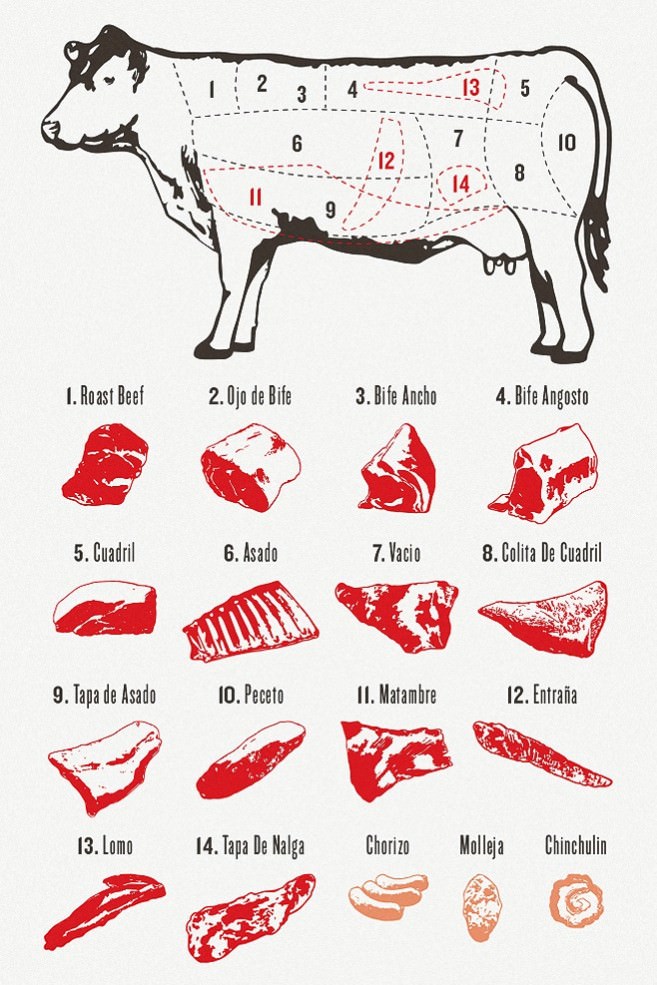
Walk into an Argentine butcher shop and you'll see a completely different landscape than what you find in Australia. It's not just about the names—it's about centuries of tradition meeting modern ranching practices.
In Argentina, the asado de tira (short ribs cut across the bone) is king. These thick, bone-in strips are designed for slow cooking over embers, where the bone conducts heat and the fat renders into the meat. You won't find this cut in most Australian butchers unless you ask specifically.
Australian butchery follows British traditions. We're used to seeing scotch fillet, porterhouse, and T-bone—cuts designed for quick, high-heat cooking. The Argentine equivalent, bife de chorizo (sirloin strip), is cut thicker and cooked differently, often over lower heat for longer periods.
The vacío (flank) is another Argentine staple that's underutilized in Australia. This cut has a thick fat cap that, when cooked properly over embers, becomes crispy and flavorful while the meat stays tender. Australians often trim this fat away, missing out on incredible flavor.
Then there's the entraña (skirt steak). Both countries recognize this cut, but Argentines treat it with reverence—cooked quickly over high heat, sliced against the grain, and served immediately. It's the test of an asador's skill.
Australian beef tends to be grass-fed with less marbling than Argentine grain-finished beef, which affects cooking technique. Our leaner cuts benefit from careful temperature control and shouldn't be overcooked.
The good news? You can adapt Argentine techniques to Australian cuts. A thick-cut scotch fillet can be treated like bife de chorizo. Beef ribs can substitute for asado de tira if cut properly. The key is understanding the principles: respect the fat, control your heat, and let the fire do its work.
When sourcing meat for asado in Australia, build a relationship with your butcher. Explain what you're trying to achieve, show them photos of Argentine cuts, and they can often custom-cut to your specifications. Many are fascinated by the challenge.
Ultimately, great asado isn't about replicating Argentina exactly—it's about understanding the why behind the techniques and applying them to what's available locally. That's how tradition evolves while staying true to its roots.
Givago Garcia Tissot
Brazilian-qualified veterinarian, chef, and Australia-based Open-Fire BBQ Specialist. First Gaucho practitioner to deliver open-fire cooking at the Vivid Festival, combining scientific precision with the raw, untamed nature of the flame.
Comments (0)
No comments yet. Be the first to share your thoughts!